EVENT
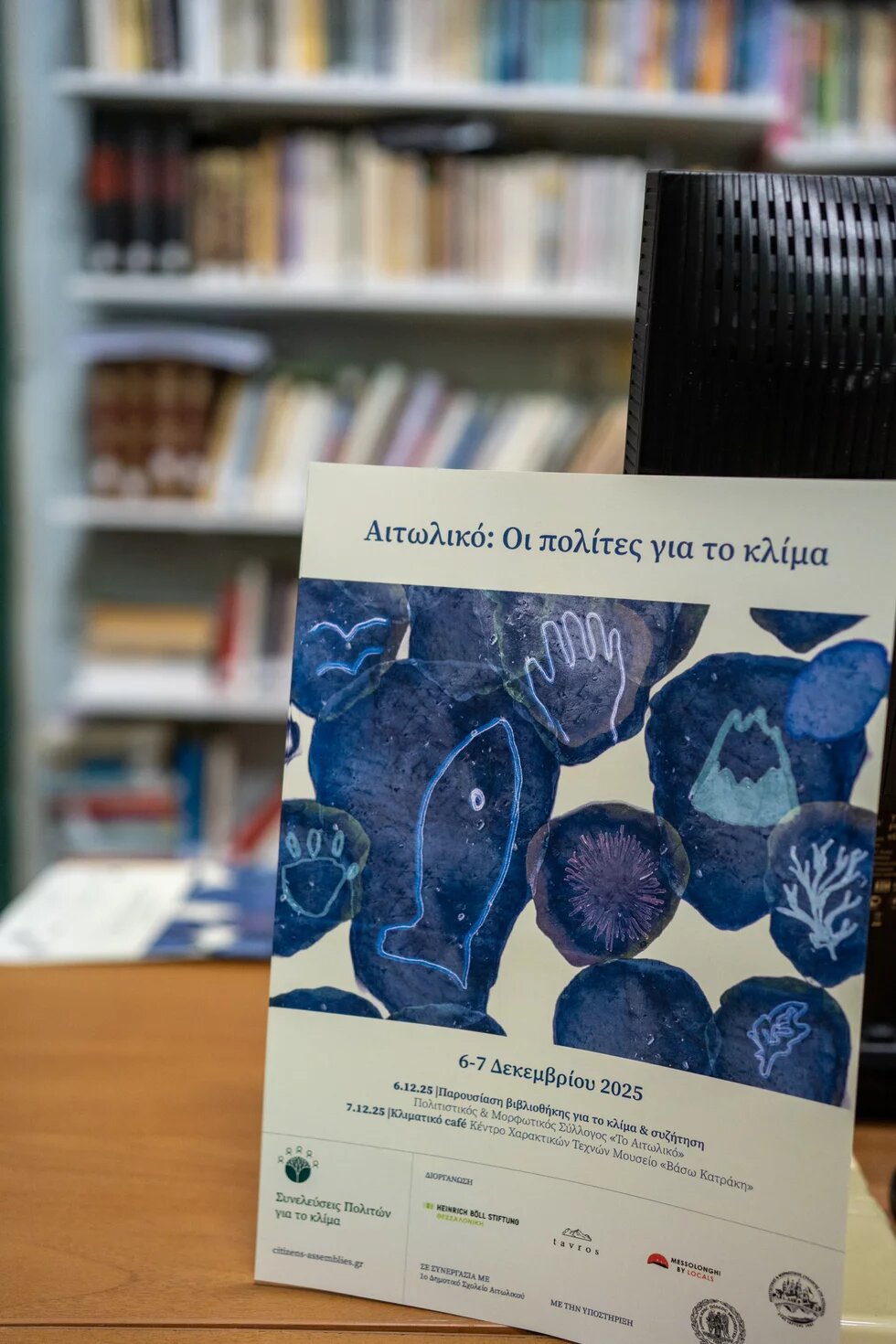
On the island of Etoliko, on 6-7 December 2025, substantive discussions took place on the climate and how it affects the local community, while good practices for the sustainable development of the area and the tackling of chronic problems were also presented. The event was co-organised by the Heinrich Böll Foundation - Thessaloniki Office, the TAVROS Independent Art Space, the Cultural & Educational Association "Etoliko" and Messolonghi by Locals, in collaboration with the 1st Primary School of Etoliko and with the support of the Municipality of the Sacred City of Messolonghi.

The small island of Etoliko, also known as the "little Venice of Greece", stands in the middle of the Messolonghi lagoon and is connected to the mainland by two 19th-century stone bridges. Salt pans, sand dunes and reed beds stretch across one of the most important wetlands in the country, the second-largest wetland in the eastern Mediterranean and a popular European destination for birdwatching.
"How do we tell stories about the climate?"
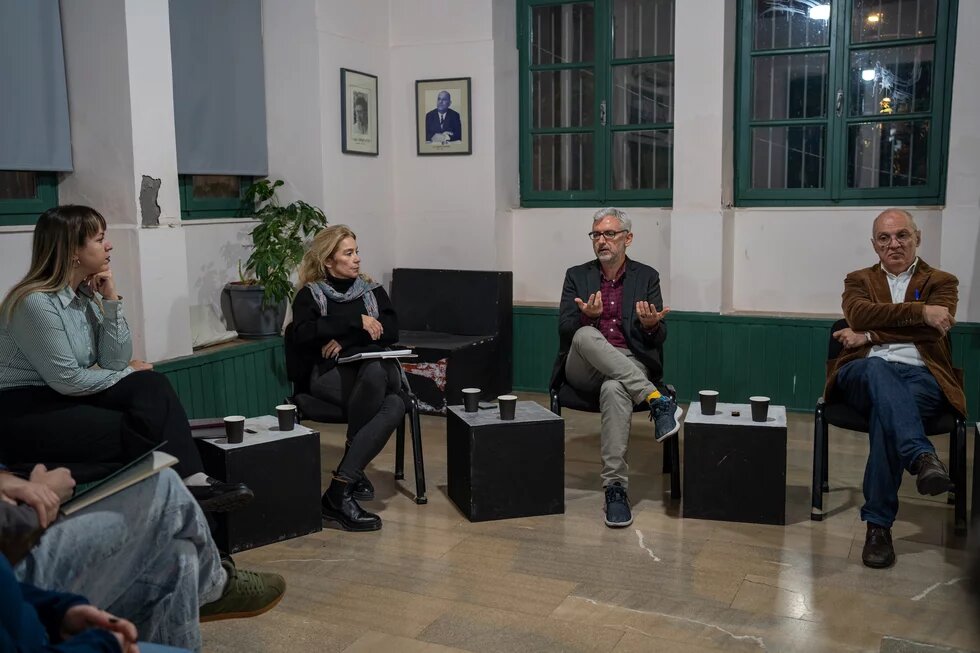
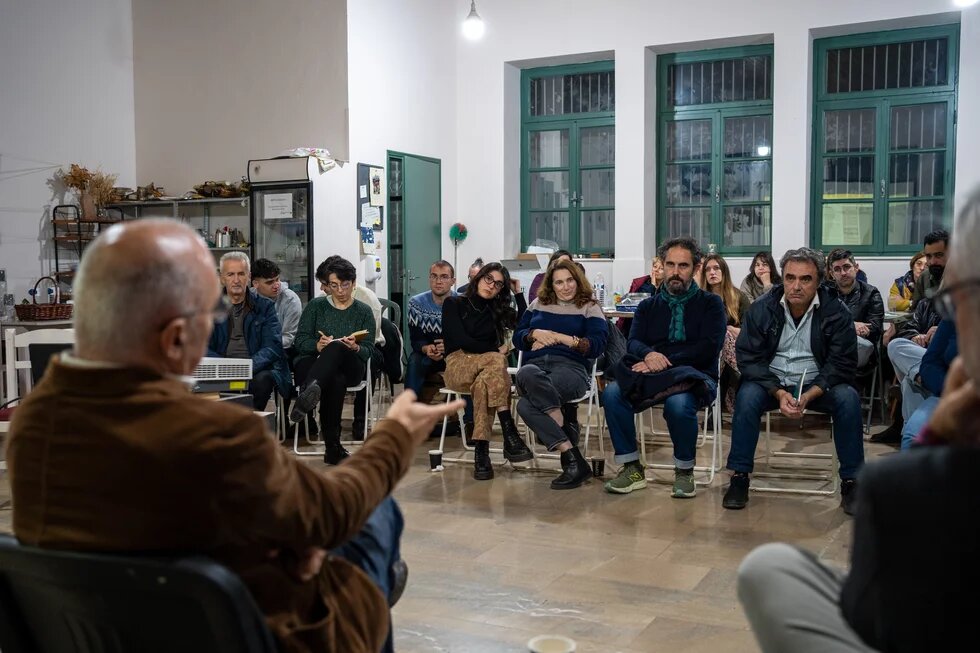
A former maritime town with a remarkable fleet, picturesque alleys and rich natural beauty is now struggling not to sink into institutional indifference. The residents, as vigilant guardians of their land, are taking matters into their own hands. On the afternoon of Saturday, 6 December 2025, people began to flock to the Cultural and Educational Association "Etoliko", where a discussion would begin with the central question: "How do we tell stories about the climate?" The speakers were Yannis Trochopoulos from the non-profit organisation Future Library, author Alkistis Halikia, and author and journalist Thodoris Georgakopoulos, while I had the honour of moderating the discussion.
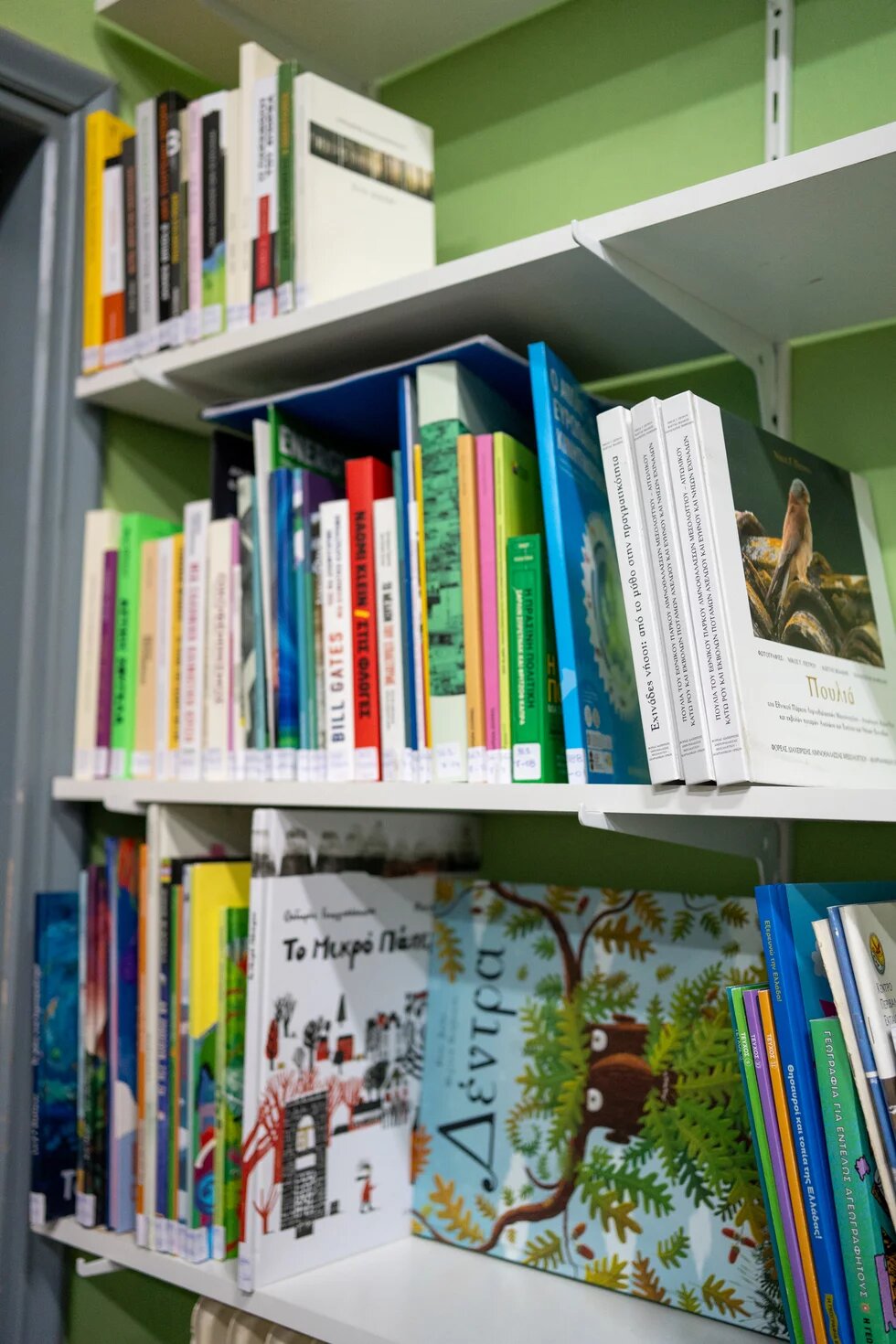
The president of the Cultural Association, Michalis Kotsaris, welcomed us to the hospitable venue and made us feel at home. Next, the climate library named after Yannis Rousopoulos was presented, in memory of the great local environmentalist, ornithologist, and nature-loving photographer. The library contains a wide range of scientific and non-scientific books related to the climate and is part of the Association's "I.M. Panagiotopoulos" lending library.
|
|
|
The discussion that followed focused mainly on resilience and adaptability. Through Mr. Trochopoulos' reference to Giorgos Kallis' book "The Freedom of Limits – From Ancient Greece to the Age of Climate Change," we wondered how long we can endure living on a planet that is gradually weakening and being destroyed. Ms. Halikia noted that humans are adaptable creatures and that it would be good to see how we can adapt to the new conditions, primarily mentally – because, beyond the climate catastrophe, climate anxiety is the new reality we are called upon to live with. The climate crisis, on the other hand, as Mr. Georgakopoulos pointed out, is progressing at such a rapid pace that we cannot keep up with it.
In an area such as Etoliko, citizens' concerns about the fragile ecosystem are easily understood, as the island's inhabitants are directly connected to their environment and their survival depends on it.
"Climate Café at the museum"
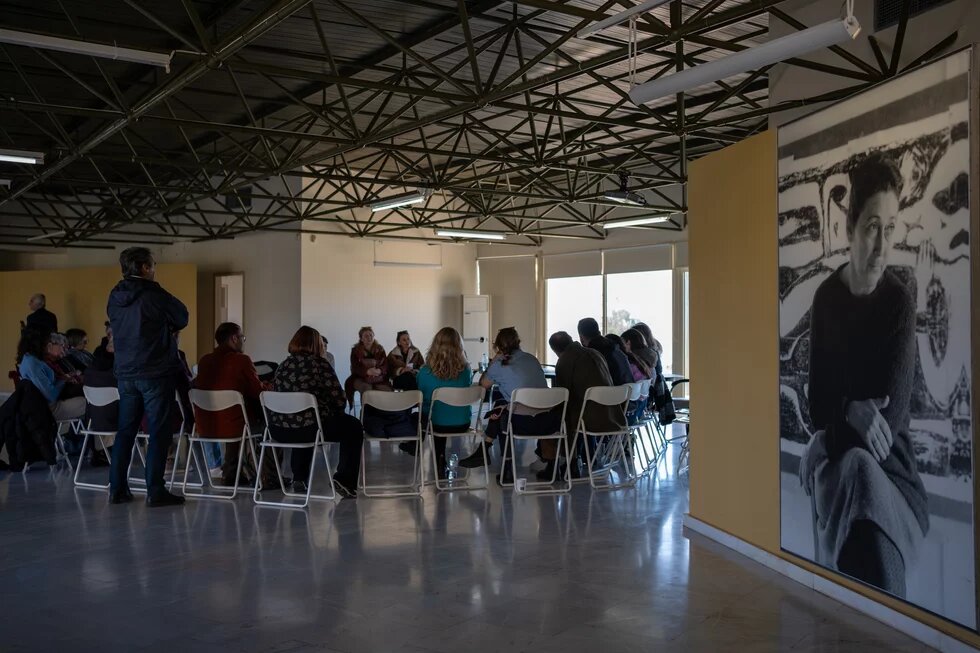
The activities in the lagoon also inspired the iconic engraver Vasso Katraki (1914-1988), who was originally from Etoliko. On the morning of Sunday, 7 December 2025, a special tour of the artist's works was given at the “Vasso Katraki” Museum by local former fisherman Sotiris Germanos. There, an informal meeting place was created for all people who care about their homeland, its sustainability, and who are directly affected by the climate crisis. At this "Climate Café at the Museum", overlooking the lagoon, a lengthy discussion took place, with citizens of all ages actively participating and expressing in every way that they "love the planet" and "want to improve their place."
From the outset of the discussion, it became clear that residents feel that institutions forget, ignore or disrespect them – as highlighted by a Eurofound survey (2022), seven out of ten citizens living in rural areas in Greece have these feelings! "Nothing changes without pressure," said one of the participants, and many nodded in agreement, thinking that no one cares about their place. But they were all there to discuss and find solutions. "Can anxiety be turned into action outside of political parties?" asked another resident.
One of the main requests of the residents of Etoliko was to first map the challenges and needs of the area and then carry out local actions focusing on the lagoon ecosystem. It should be noted that in the Mediterranean, we have already lost more than 50% of the wetland areas that existed in the not-so-distant 1970s.
In the past, the residents of Etoliko used to swim in the lagoon, but now they breathe in the toxic hydrogen sulphide that suffocates their area and poses a chronic threat to fish and public health.
Many stories were heard about what Etoliko used to be like, and the residents' deep longing for it to return to its former state was deafening. "Until 1966, Etoliko was a place of livelihood. The junta ruined the place," noted one resident, and another wondered, "If you stop loving something, how can you take care of it?" A high school student who participated in the discussion was interested in finding a realistic solution from the bottom up.
Citizens' Assemblies for the Climate
Citizens' Climate Assemblies offer such a way forward: a participatory process that mobilises citizens and involves them organically in policy-making, with a particular emphasis on inclusion and combining environmental protection with the strengthening of democracy. This very spirit of meeting, experimentation and collective exploration was evident during the two days in Etoliko, where the first Citizens' Climate Assembly in Greece is planned to take place in 2026.
The choice of location is no coincidence, as the island of Etoliko is a typical example of a small provincial town under pressure from the explosive combination of climate change and the urban-rural divide, i.e. the overconcentration of population, power, resources and opportunities in large urban centres. Furthermore, in March 2025, the independent art space Tavros, in collaboration with local actors and with the support of the Heinrich Böll Foundation – Thessaloniki Office, organised an open discussion in Etoliko as part of the two-year programme "Vanishing landscapes". This substantive discussion provided an opportunity for Etoliko to emerge as a place that can reflect on its vulnerability in relation to the environment and possibly shape its future in terms of sustainability.
! More information about the Citizens' Climate Assemblies can be found on the initiative's website.