

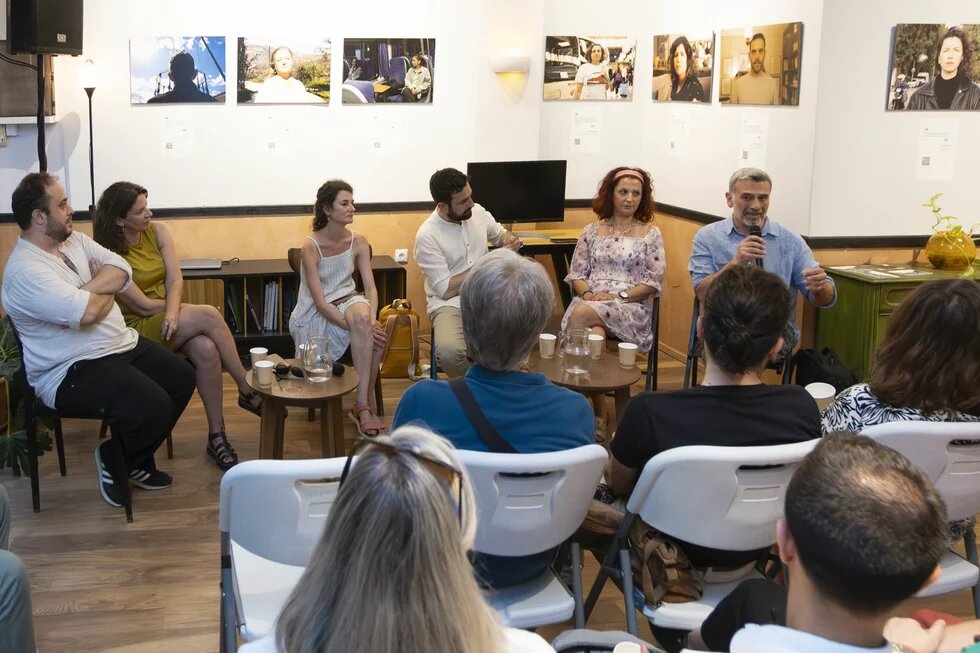
EVENT
A clear manifestation of uneven development, spatial injustice, and a deficit of democracy, the gap between cities and the periphery in Greece has been a focus of the Heinrich Böll Foundation for the past three years. This time, five independent, cooperative media outlets were invited to explore the issue –each in its own way– and to highlight its human dimension. The result is a rich and diverse body of material, combining the structural political aspects of the issue with people’s emotional responses to it.
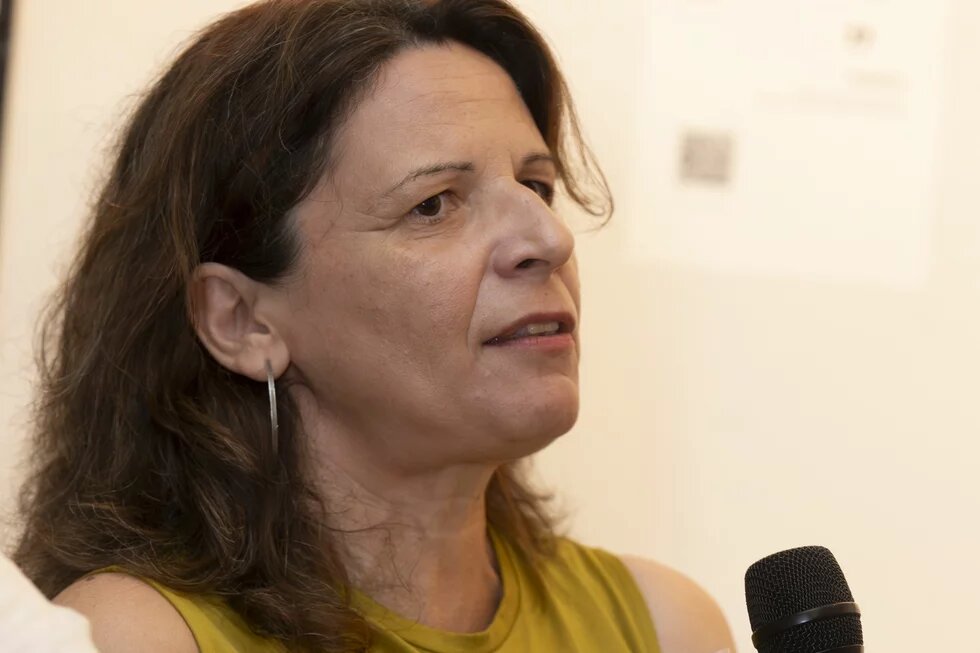
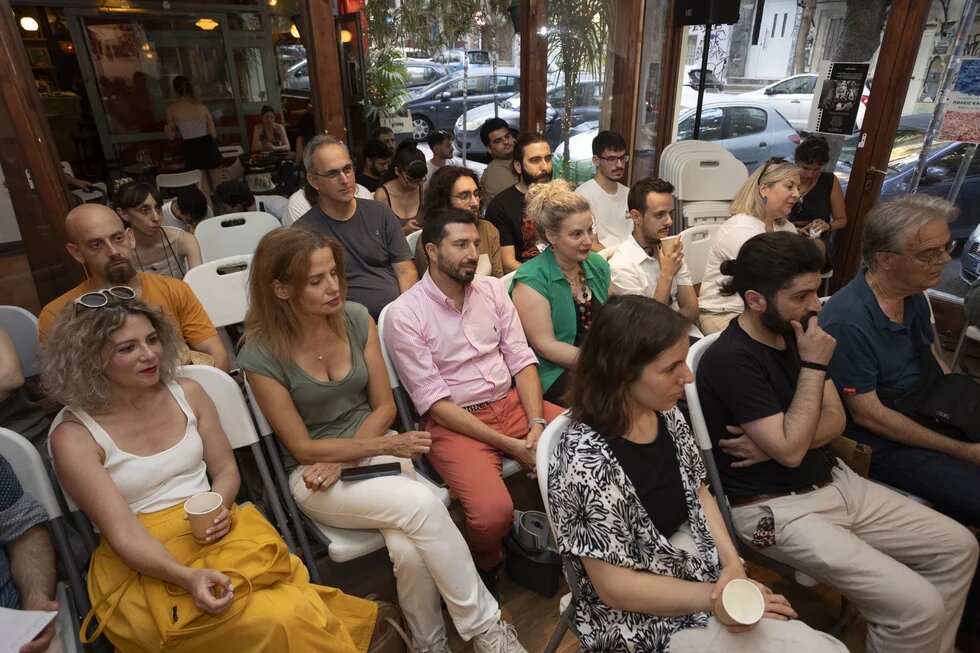
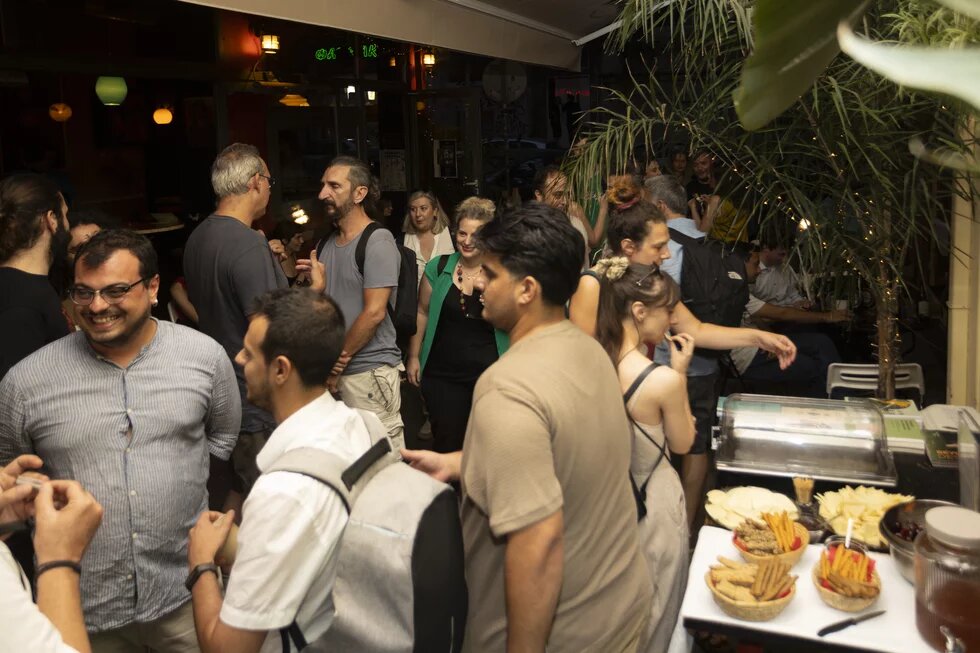
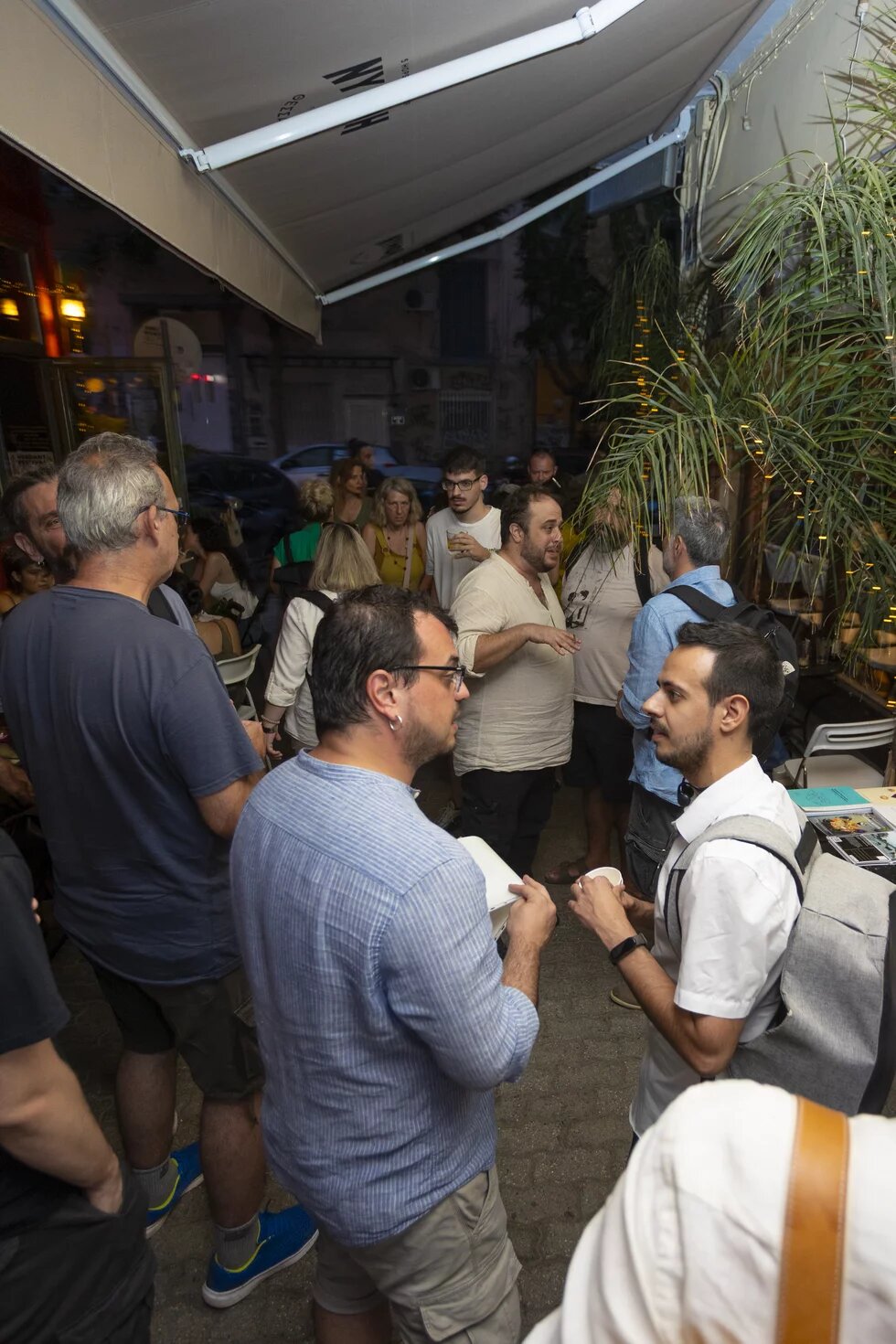
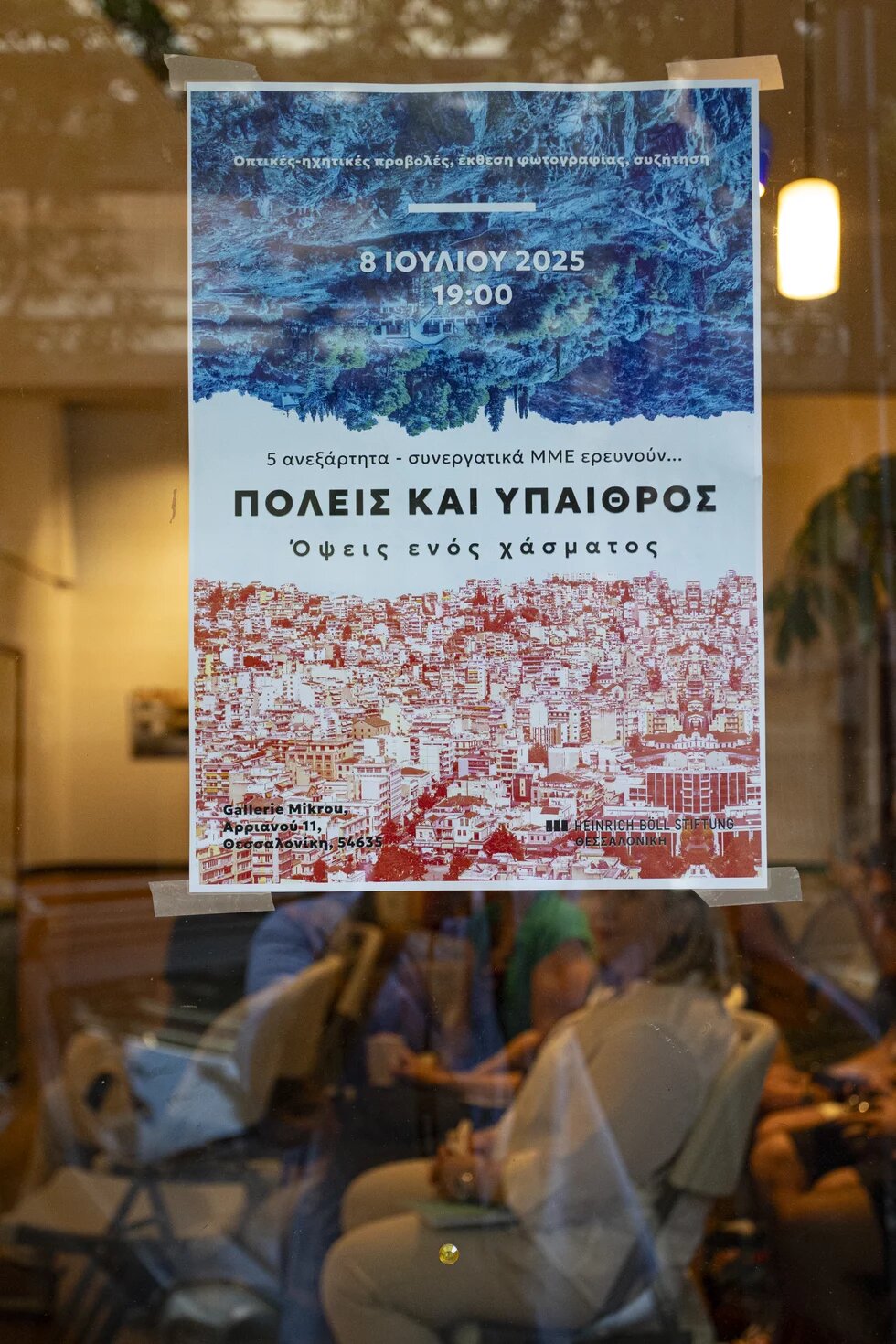
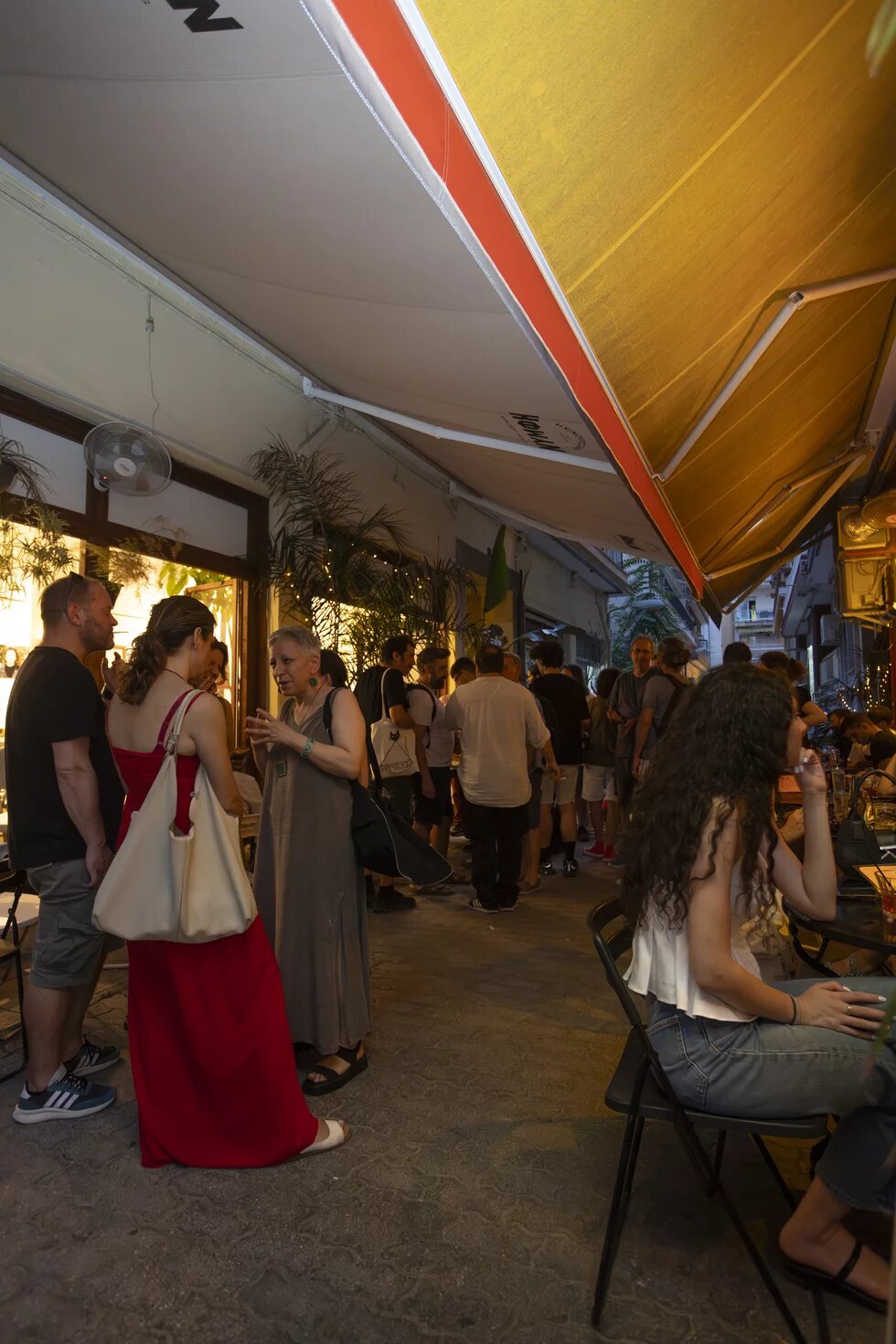
All this material is available on the website of the Heinrich Böll Foundation Thessaloniki Office, and was also presented at an event held on Tuesday, 8 July, at Gallerie Mikrou in Thessaloniki (11 Arrianou Street). Participants included Giannis-Orestis Papadimitriou (The Manifold), Varvara Angeli (Typos-i), Stavroula Poulmeni (Alterthess), Maria Chatzigeorgiou (StoNisi.gr), and Konstantinos Poulis (ThePressProject). The discussion was moderated by Michalis Goudis, Director of the Foundation’s Thessaloniki Office.

During the discussion, representatives of independent, cooperative media outlets focused on the issue of the urban–rural divide, explaining how they approached their respective topics and reflecting on the experience they gained through their research. At the same time, they briefly presented their media organisations and the challenges they face — all in the heavy shadow of the impending sale of a major cooperative outlet, “Efimerida ton Syntakton” (means: “The Editors’ Newspaper”), which, as all participants agreed, would constitute a setback and a step backwards for independent, progressive journalism.
The Manifold: Ιστορίες σιδηροδρόμου πριν και μετά τα Τέμπη
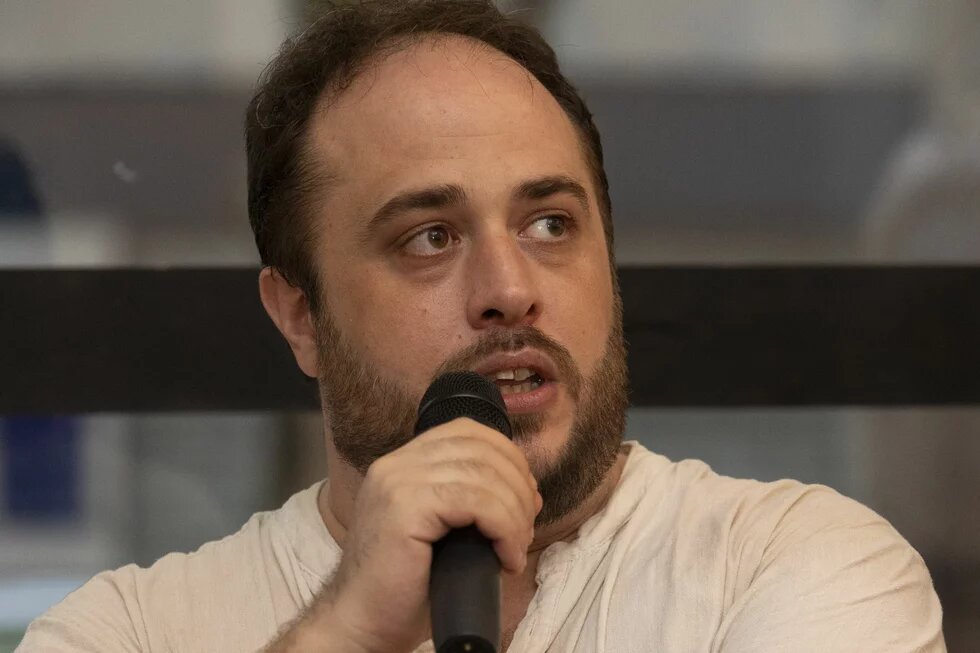
The Manifold, based in Athens, produced a photo report featuring ten portraits and an equal number of interviews, revealing the impact of the Tempi train disaster on people who used the railway. Among other things, it highlights the country’s weak rail connectivity. As Giannis-Orestis Papadimitriou explained: “We chose this topic because after Tempi, the public’s relationship with the railway has broken down, due to fear and lack of trust. For a large part of Greece, this doesn’t simply mean losing convenience — it means more important things are at stake, such as their connection to the rest of the country. This, of course, comes alongside cancelled routes and the broader decline of the railway system. In approaching this topic, we were not interested in uncovering documents or decisions. We wanted to see how politics affects people’s everyday lives. So we had to identify an emotion and turn it into something tangible. It is telling that two of the people featured lost loved ones in Tempi. Initially, we were aiming for something smaller, but we realised it wasn’t possible to present a condensed version. The transformation of these people’s emotions was a long process, and it needed space to be properly captured.”
Speaking about The Manifold, Papadimitriou added: “At The Manifold, we aim to create living, functional, and evolving journalistic dossiers, essentially large-scale investigative projects. So far, we have opened dossiers on child protection, police violence, and the energy transition. Through this process, we’ve found that these issues have both historical depth and continuity, and that they branch out into many subtopics. The main challenge, of course, is financial.”
Typos-i: Epirus – Is return possible?
Typos-i, based in Ioannina, produced two podcasts exploring the “distance” between town and countryside through field research in Zagori and Tzoumerka.
As Varvara Angeli explained: “We chose two mountainous areas of Epirus that share a common feature –their depopulation– and the serious challenges they face in education, healthcare, and transport, that is, the basic conditions needed to support both current and potential future residents. At the same time, these two areas also have important differences. In Tzoumerka, it is very difficult to live, but perhaps because there was no strong culture of migration, the area still has around 2,500 inhabitants. Tzoumerka did not experience the arrival of mass tourism after 2000, so current efforts remain more moderate. By contrast, Zagori has become almost entirely dependent on tourism. Despite this, with only around 800 residents, it is one of the most depopulated areas in Epirus. One possible explanation is that during the Ottoman Empire it was an autonomous region with privileges that allowed its inhabitants to become educated and migrate in search of better opportunities, a pattern that continues today. Even though it is largely empty of permanent residents, housing –now shaped by real estate dynamics– is extremely expensive. There is therefore a paradox: Zagori has fewer people than one might expect, while Tzoumerka has more. This shows that any regional policy, if it is ever implemented, must take into account the specific characteristics of each area.”
Speaking about Typos-i, Varvara Angeli added: “Typos-i was founded in 2016 by three people who had already worked together and trusted each other. Journalism in the periphery does not allow for specialization, we have to cover everything. Our main concern is financial survival. We are not a subscription-based site, but given our interests, we invested in publishing books, which helps support us economically.”
Alterthess: Kouvouklia, Serres – A village struggling to stay alive
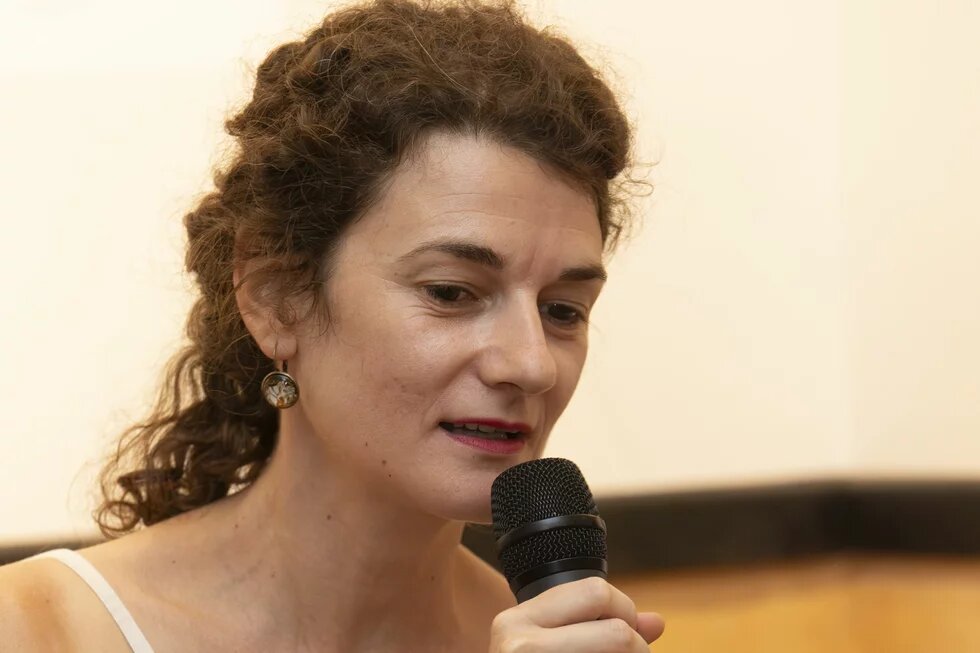
Alterthess, based in Thessaloniki, explores the current situation in a depopulating village through a short documentary: Kouvouklia, in the Serres area — a place that, as Michalis Goudis pointed out, could retain its residents, since –with the right transportation links– they could live there and work in Serres or Thessaloniki, as happens in many European countries. “As journalists, we often look for something far away, when in fact it is right next to us,” said Stavroula Poulmeni. “Kouvouklia is my mother’s village, where I spent my childhood summers, full of people, festivals, and activity. When I returned, I felt both a strong sense of familiarity and, at the same time, a sense of estrangement, because the village is no longer the same. The place has been abandoned; it has neither people nor services. Today, only around 100 people live there, including just two children. At the same time, in a kind of repetition of the village’s refugee past –with residents originally from Bursa in Mikra Asia (or Asia Minor or Anatolia)–two families from Albania have arrived and reopened the only meeting point in the village, the café-tavern. Kouvouklia reflects all the problems of the countryside, as small landholdings, state neglect, but also something we often overlook: a lack of collective claims by residents. Yet there are people who, when asked if they would leave, say “no”. This points to a possible future for the place.”
Speaking about Alterthess, Stavroula Poulmeni added: “Alterthess was founded in 2011, during the austerity years and the crisis in the press, because there was nothing in Thessaloniki that documented social struggles and demands, or told the city’s stories outside a nationalist framework. We do not produce a continuous news feed; instead, we practise slower journalism, based on our interests. Our main problem, of course, is financial. Nevertheless, we remain independent, publishing stories that business interests would prefer to keep hidden.”
Sto Nisi: Lesvos – The two faces of inequality
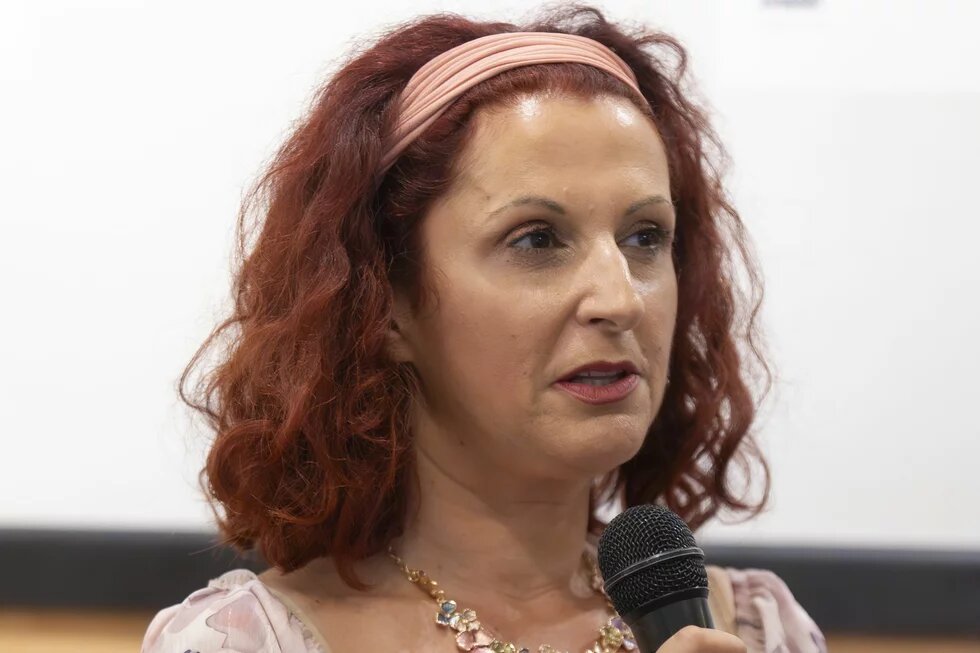
Sto Nisi (means: “On the island”) based in Lesvos, highlights through a short documentary, an article, and a photo report the positive aspects of life in Antissa and Mesotopos, two villages in Western Lesvos. At the same time, it shows how important cooperatives and associations are in sustaining population and social vitality in such areas. As Maria Chatzigeorgiou explained: “This project was a challenge for me, because I also grew up in a village, 20 kilometres from Mytilene, and I often wondered what my life would have been like if I had stayed. In the end, I chose two more remote villages, Mesotopos and Antissa in Western Lesvos, which are about an hour and a half away from Mytilene and, in winter, are connected to it by bus only once a day, an additional difficulty on top of the already demanding conditions of island life. These are two depopulated villages, like much of the Greek countryside, but still alive. In Mesotopos in particular, there is virtually no unemployment, as, in addition to dairies, it has two very large and active cooperatives that provide jobs for many people. There I met people who are content and do not want to leave. Antissa is more melancholic, with the typical problems of rural areas. Young people leave and do not return, as there is less economic activity than in Mesotopos. However, there is still livestock farming, cheese production, and an active cultural association. In this journey, I focused mainly on how people perceive their lives there — and what I took away was a sense of optimism.”
Regarding Sto Nisi, MariaChatzigeorgiou added: “Sto Nisi, which includes a website, radio station, and free press publication, is a social enterprise that began operating in 2019, founded by people facing serious labour issues. At the time, the migration issue on Lesvos was intense, and racist views and fake news were widespread. The outlet established itself through the way it addressed these explosive local issues. Today, everyday work is demanding –we cover the full news agenda on the island– but there is a strong team spirit. We have become something like a citizens’ complaints hub, as people trust us and believe we help bring solutions to their everyday problems.”
ThePressProject: Athens and the periphery – The housing crisis and how it affects young people
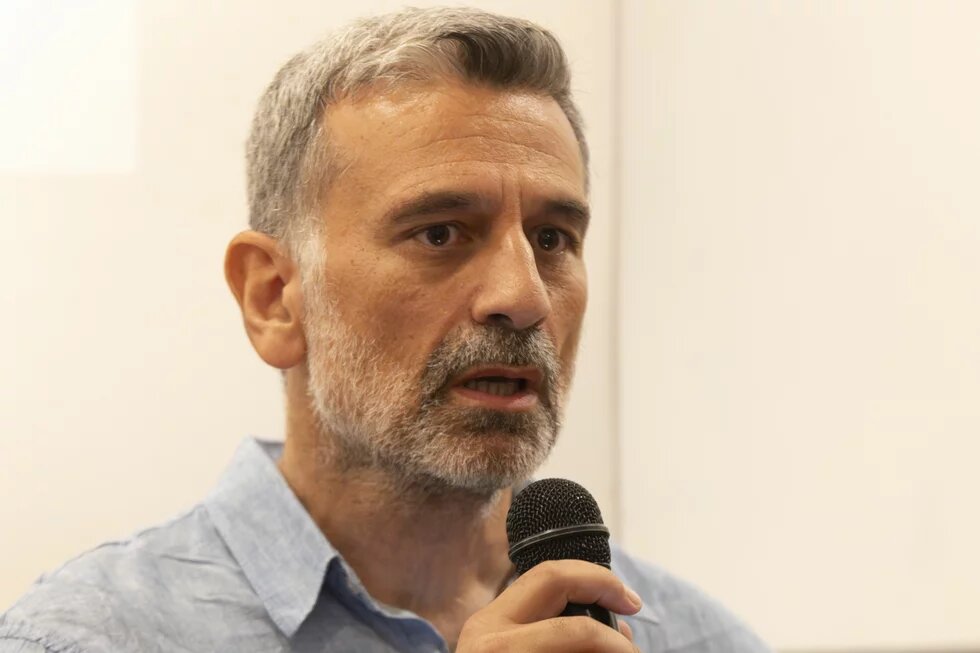
Το ThePressProject , based in Athens, documents through two audio documentaries the housing insecurity faced by young people both in the capital and in provincial cities. As Konstantinos Poulis noted: “Housing is a fundamental need, yet today access to it for the average person is collapsing. Unfortunately, this is not as prominent an issue in public debate as it should be. We focused in particular on people aged 25-35 who live with their parents out of necessity. We were also interested in those who were forced not only to return to the family home, but even to move back from Athens to the regions they come from. We tried to combine personal testimonies with expert perspectives, so as to frame the issue and better understand what is happening. The conditions these young people live under do not correspond to the needs of their age or to basic expectations of privacy. Through this process, we also reflected on how we understand poverty. These people are not destitute; they are not experiencing extreme poverty, yet they are far from what is commonly described as the middle class, a category many of us assume we belong to. They endure this situation in order to afford small things, like going out for a drink or taking a short holiday, because otherwise they simply couldn’t. Those who spoke in the podcasts understand that this condition reflects a structural inequality with political causes and dimensions, but that doesn’t make the pressure any less real.”
Regarding ThePressProject, Konstantinos Poulis said: “ThePressProject exists thanks to the late Kostas Efimeros, who insisted that the medium operate on subscriptions at a time when paid content online was virtually non-existent. It also maintains a news flow –it doesn’t publish only articles and investigations– which is not typical for independent media. Subscriptions cover 95% of our funding needs, but that is also our ceiling. The main challenge is growth, which is difficult without an investor. In order to go beyond the basic news flow and engage more in investigative journalism, we participate in research programmes.”
|
|
|
! Listen here to the playlist featuring songs about the urban-rural divide, which was played during the event.