

ARTICLE
Nantes, in western France, invests in long‑term urban planning that stretches across decades, turning the city into a living laboratory where small‑scale experimentations test new ideas before they reach wider implementation. Through a systematic methodology of planning, participation, and evaluation, this model offers an example of flexible and innovative urban policy that can inspire other cities.

Nantes is a city with a complex and contradictory past. Once the epicentre of the French slave trade and later an important industrial and shipbuilding hub, it is also considered the first city in the world to introduce public transport, and the birthplace of Jules Verne, the writer who imagined worlds far beyond the limits of his time. In recent decades, Nantes has sought to redefine its position and identity, choosing to invest in innovation—not only technological, but also social, environmental, and spatial.
Today, it stands as one of Europe’s most compelling examples of how urban planning can become a tool for social cohesion, participation, and creativity. Our visit in May 2026, as part of our involvement in the European project PICOBELLO, offered us the opportunity to see firsthand how this “city‑lab” operates and how urban experimentations form a central pillar of its strategy.
Unlike many European cities that plan with a short‑term horizon, Nantes has adopted a 40‑year strategic approach. Urban planning is not treated as a series of isolated interventions but is grounded in a stable institutional structure, at the centre of which stands Nantes Métropole, the metropolitan authority that coordinates overall planning and major strategic directions. Around it operate specialised organisations such as SAMOA (Société d'Aménagement de la Métropole Ouest Atlantique), École de Design Nantes Atlantique, and Nantes City Lab, among others. This multi‑layered collaboration creates an ecosystem where the city is designed collectively, with the involvement of institutions, professionals, researchers, businesses, and—above all—its residents.
From deindustrialisation to innovation
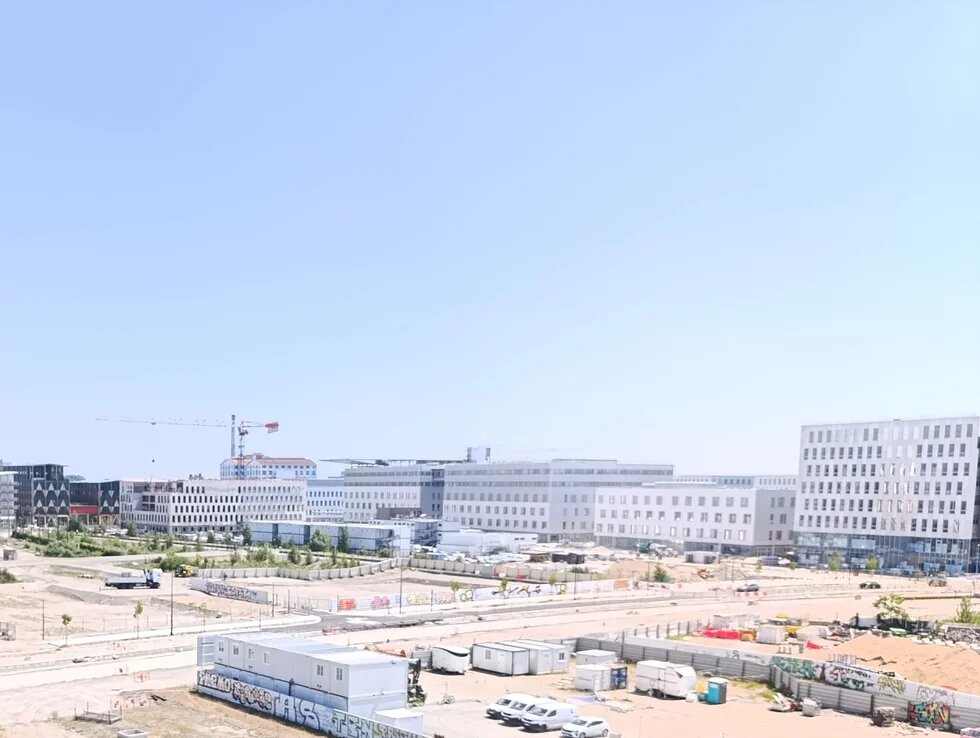
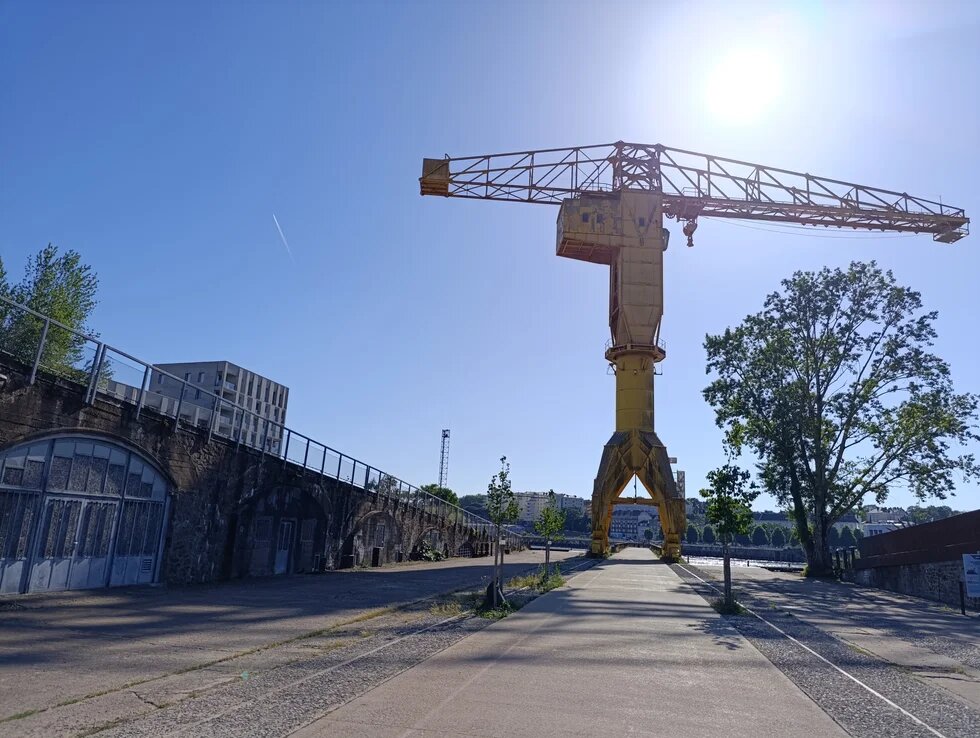
The most leading example of this long‑term planning is the transformation of the Île de Nantes, a river island on the Loire that for decades hosted shipyards and heavy industry. After the shipyards closed in the 1980s, the area fell into decline. Instead of opting for a rapid, commercially driven redevelopment, the city decided to transform the district into a centre of innovation, culture, and creativity.
SAMOA undertook the design and implementation of a 40‑year urban transformation plan (2000–2040), based on principles such as preserving industrial heritage, mixed uses, strengthening the creative industries, sustainable mobility, participatory design, continuous experimentation, and adaptation.
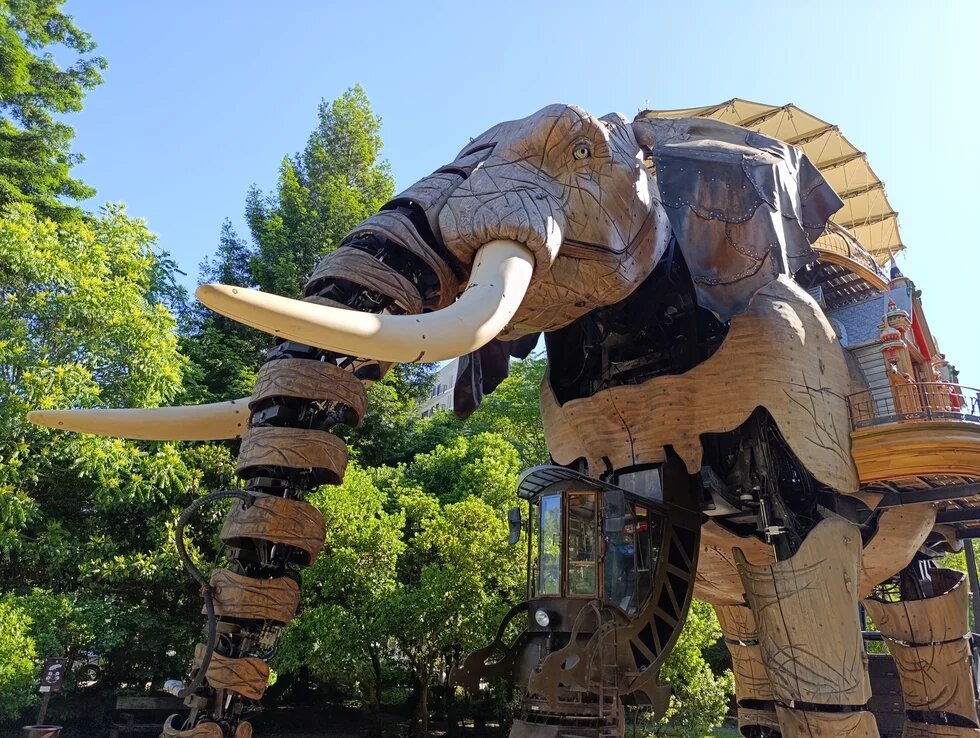
The area became home to Machines de l’Île, a spectacular park of mechanical creations inspired by Jules Verne, which has become an international symbol of the city’s new identity. At the same time, the Île de Nantes is evolving into one of Europe’s largest medical and research hubs, with the construction of the new university hospital and the establishment of numerous research centres and medical‑sector start‑ups.
The district functions as an open urban laboratory, where temporary uses, new housing models, innovative mobility solutions, and experimental public‑space interventions are tested.
The methodology of urban experimentations
Nantes has developed a comprehensive methodology for urban experimentations, applied both on the Île de Nantes and in other parts of the city. This methodology is built on four pillars:
1. New uses — Experimentations test new ideas—novel devices, layouts, products, services—that have not yet reached large‑scale implementation.
2. On‑site testing — Experimentations take place in situ, under real-world conditions, but for a limited period, aiming to extract useful conclusions.
3. Citizen participation — Citizens are involved before, during, and after the experimentation process: in identifying needs, using the spaces, and evaluating outcomes.
4. A defined area — This allows for simple testing and requires a frugal and understated design that quickly can yield insights and be easily reversible.
To these characteristics one must add systematic evaluation, which includes observation, interviews, forms, data analysis, and 360° assessment using generic axes. This process enables Nantes Métropole to accelerate convergence between real uses and real users, validate or reject solutions, reduce risks, and feed urban planning with new evidence—all at low cost and with rapid results.
Two illustrative examples
During our visit to Nantes, we explored two characteristic urban experimentations designed by SAMOA and implemented by Nantes Métropole. Both aimed to improve residents’ mental health after the lockdown period.
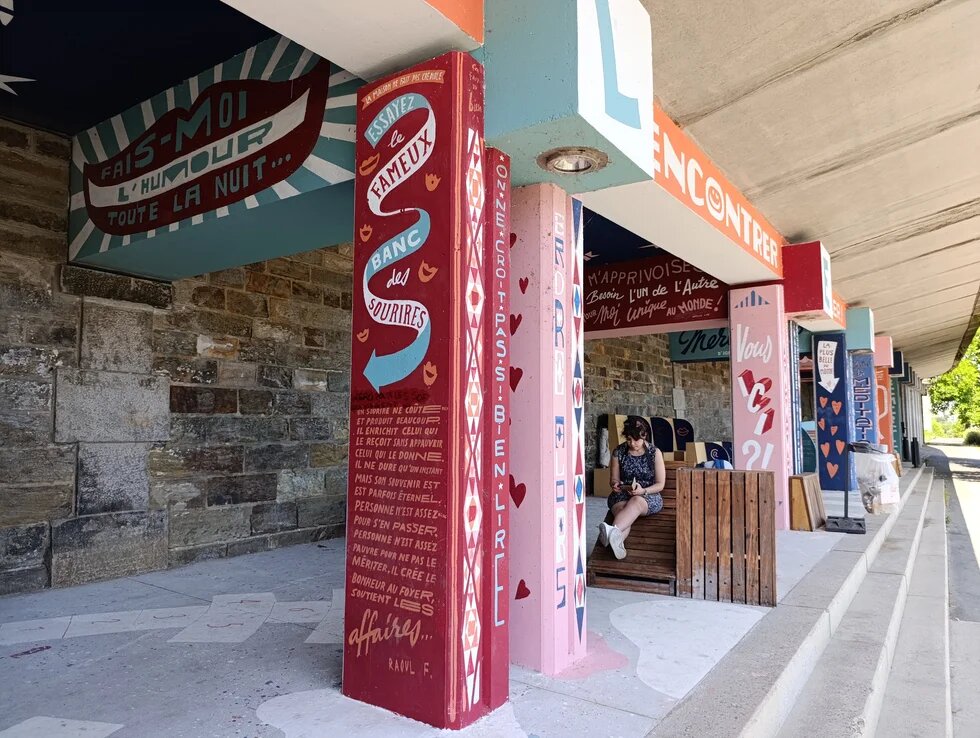
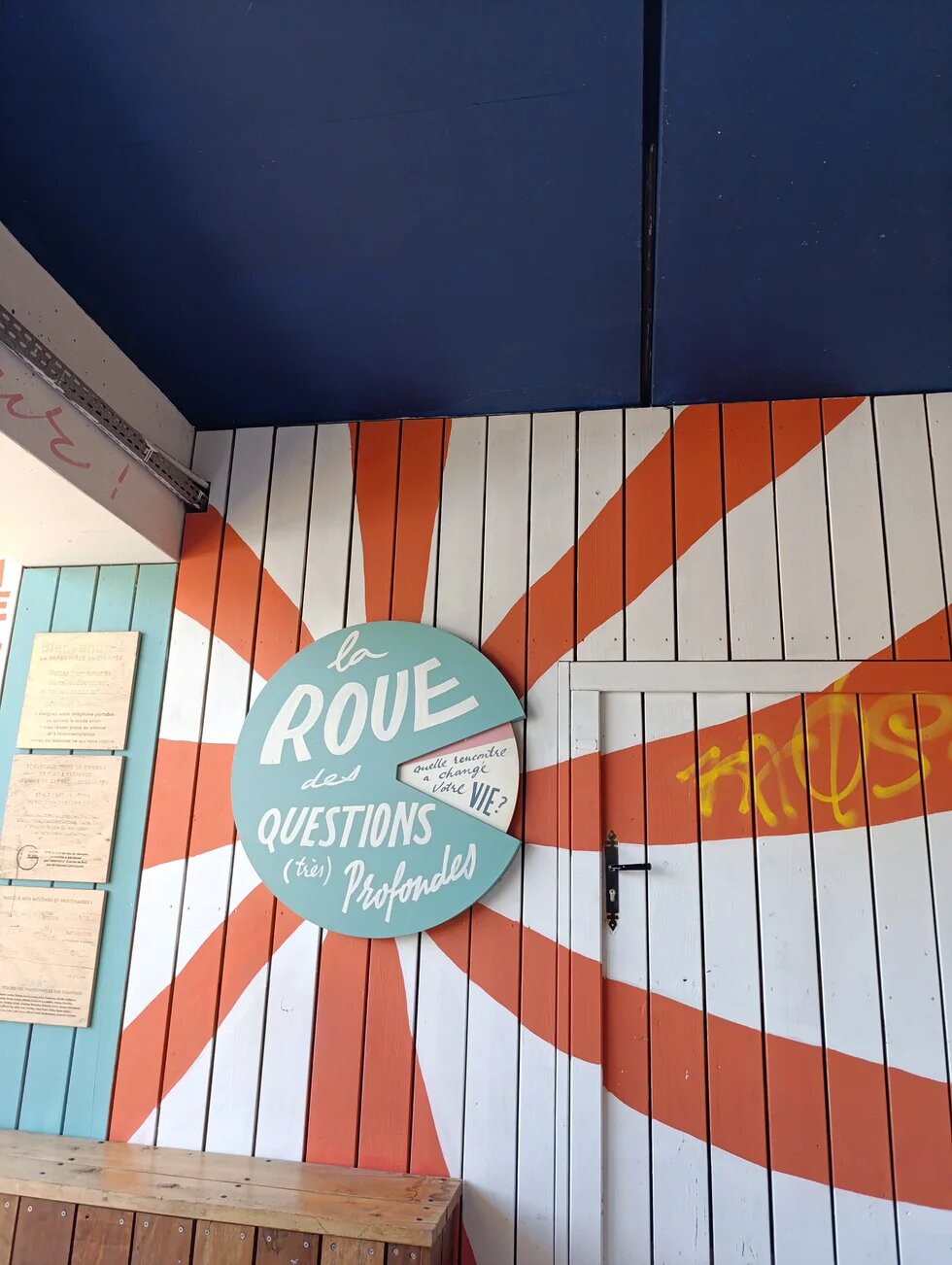
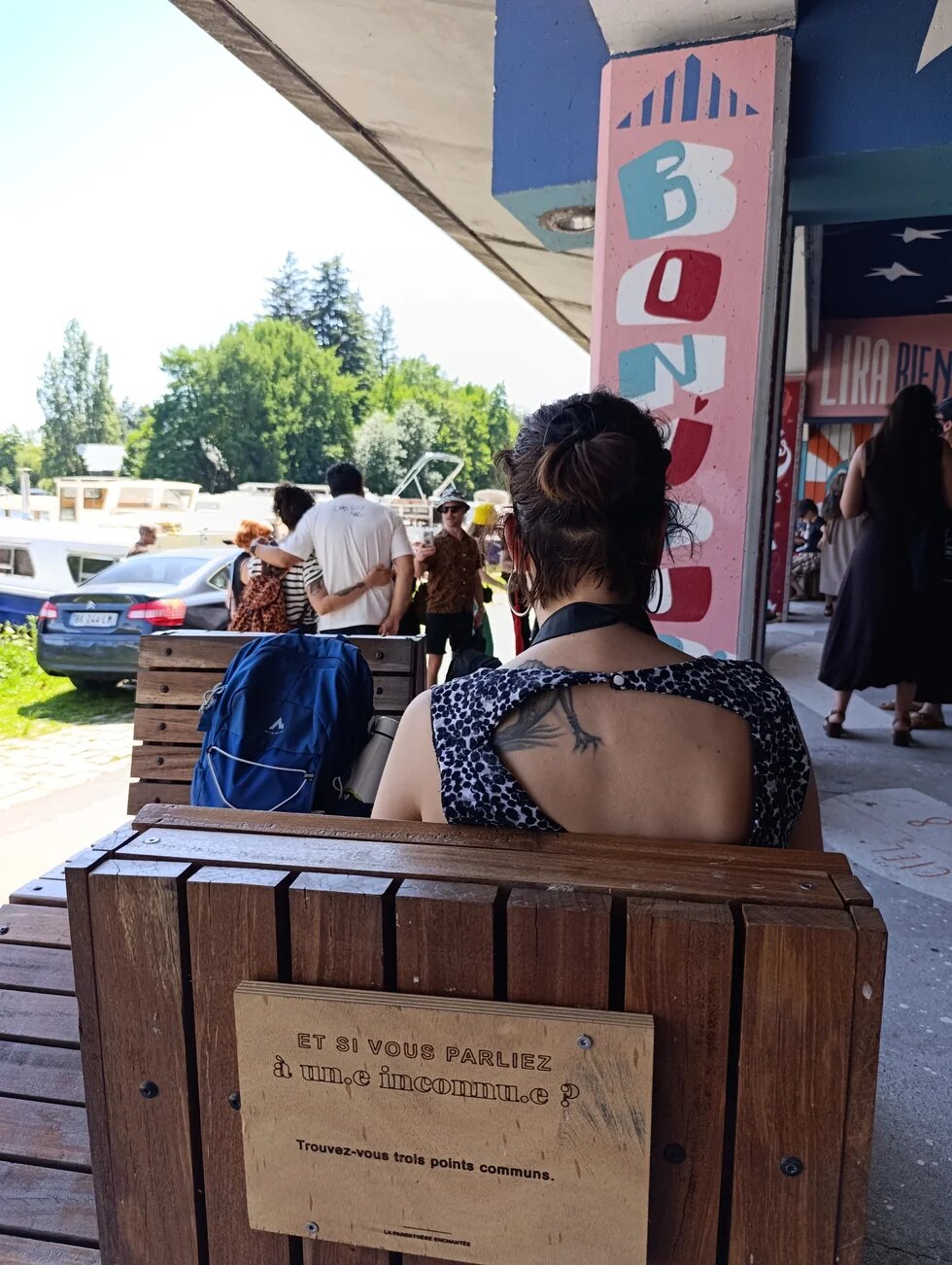
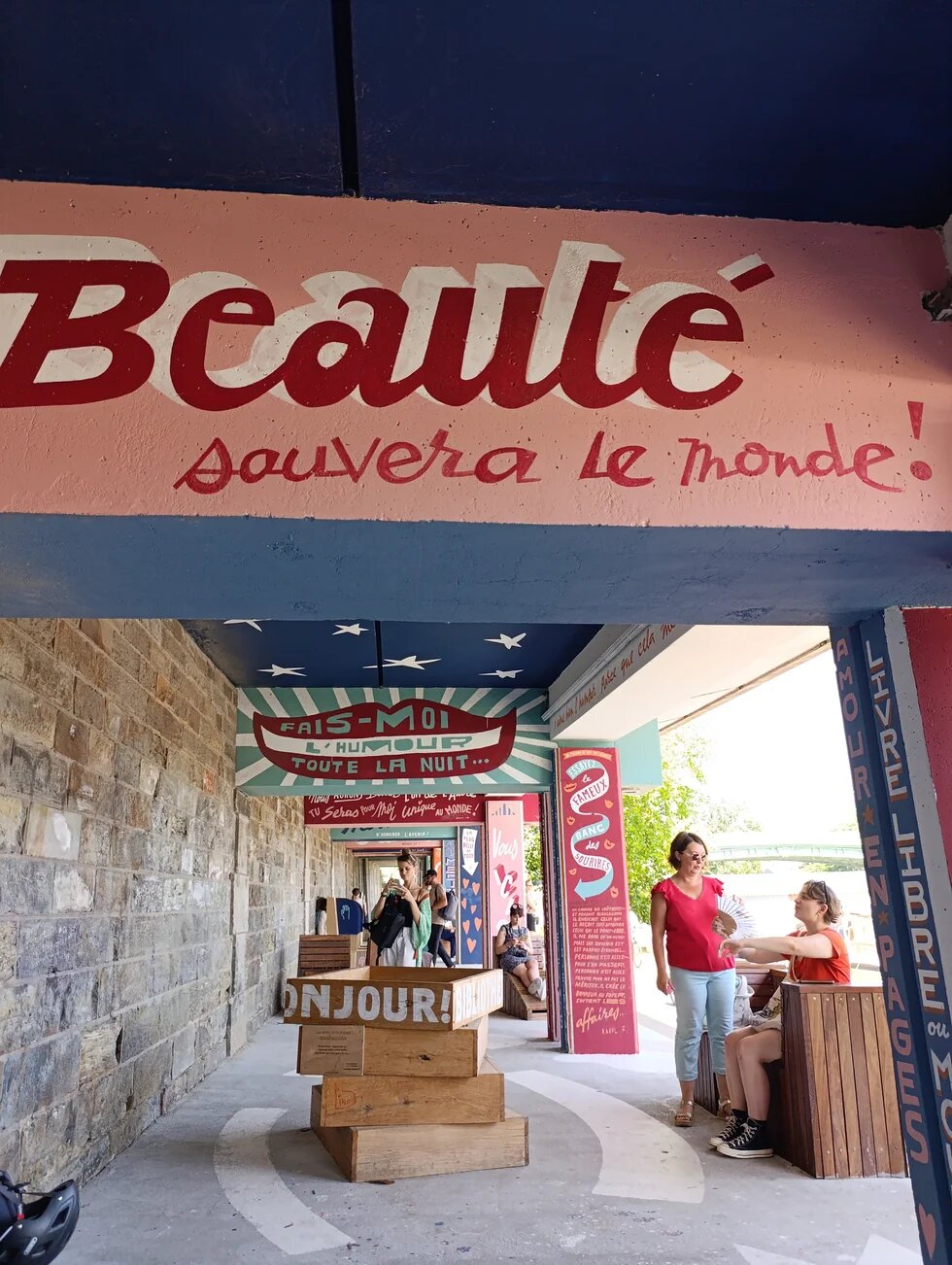
Beneath an elevated road, next to a Loire canal, a neglected space was transformed at minimal cost into a series of “rooms”—small thematic areas featuring graphic design elements and literary excerpts, custom furniture for relaxation, spots for concentration or gentle social interaction. Despite initial concerns about vandalism, no incidents occurred. On the contrary, residents embraced the space, which became a daily stop for calm and rest.
|
|
|
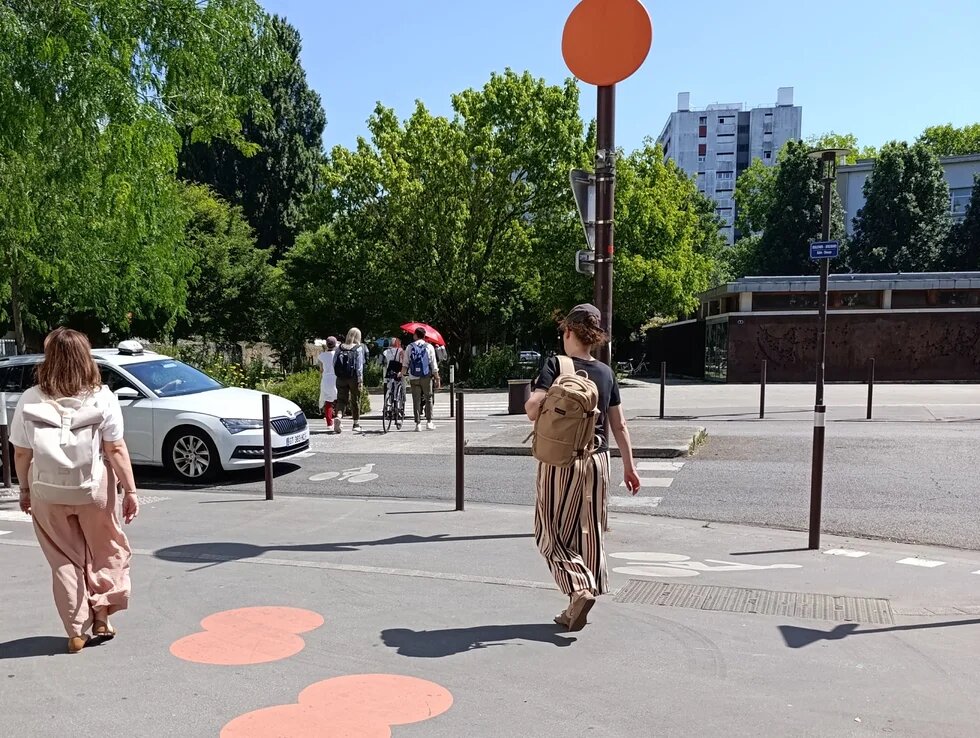
The second experimentation is a continuous green route of two to three kilometres that weaves through streets, green strips, parks, and playgrounds. The route features coloured signage, information boards about local flora, and special installations such as isolation benches or outdoor seating for social contact. It offers shade, quietness, scents, and contact with nature—elements that enhance mental well‑being and gentle mobility.
Sustainable urban planning must respond to local needs, consider local specificities, and rely on local capacities. Yet the Nantes methodology—inter‑institutional collaboration, citizen participation, experimental approaches, and systematic evaluation—offers a model that can inspire many European cities. It demonstrates that urban planning can be both long‑term and flexible when grounded in short, low‑cost, reversible trials that allow the city to learn, adapt, and evolve.